

Brambles' 2030 Nature Positive focus area encompasses the aspects of its operations and value chain that depend on and impact on the natural environment including the Forest Positive, Climate Positive and Circular Resources target areas. Supported by Brambles' Digital Transformation programme, these areas address the key elements of the Taskforce on Nature-related Financial Disclosures (TNFD) framework.

This approach recognises the nature-related risks, including those related to climate change, identified in its own operations, third-party service centre network, global raw materials sourcing programme and the use of Brambles’ products in its downstream customer activities. It outlines the mitigation actions built into Brambles’ 2030 sustainability strategy that aim to address and reduce negative nature impacts and the areas of focus where Brambles’ digital strategy is enhancing circular performance.
This includes transitioning more supply chains to its lower‑carbon circular model, decarbonising the energy systems of service centres, increasing operational resilience and recognising the value of waste materials in a regenerative system. Importantly, Nature Positive seeks to understand the local context of the ecosystem provisioning services1 available for all stakeholders, including Brambles. More information for each target area of Brambles’ Nature Positive programme is available at brambles.com/2030-sustainability-programme.

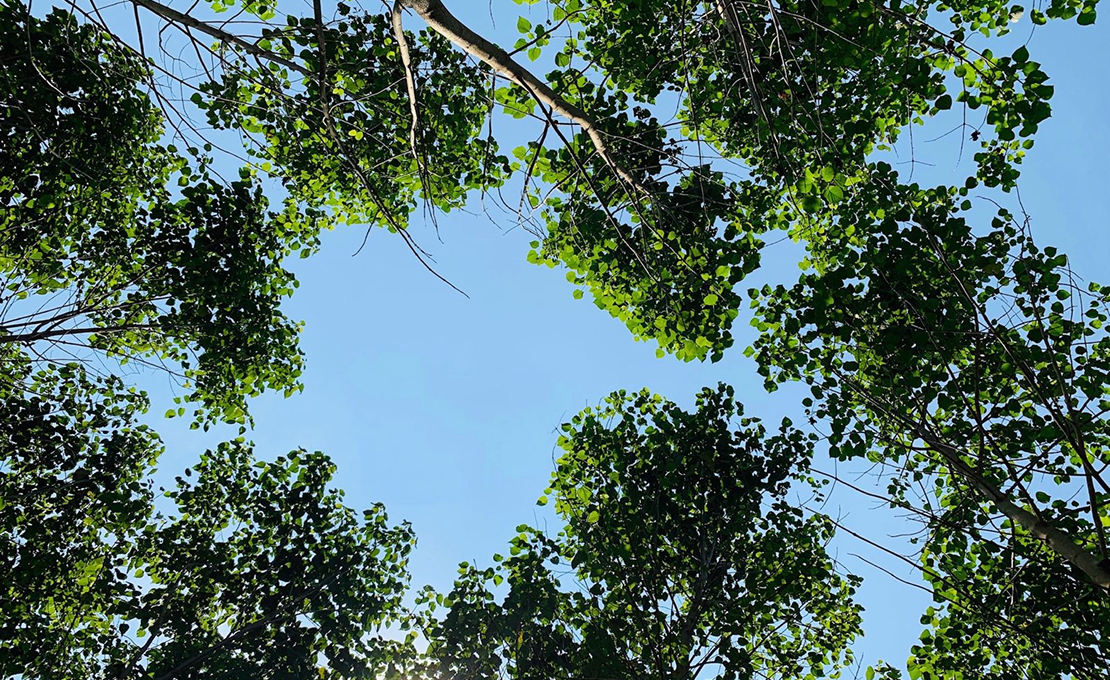
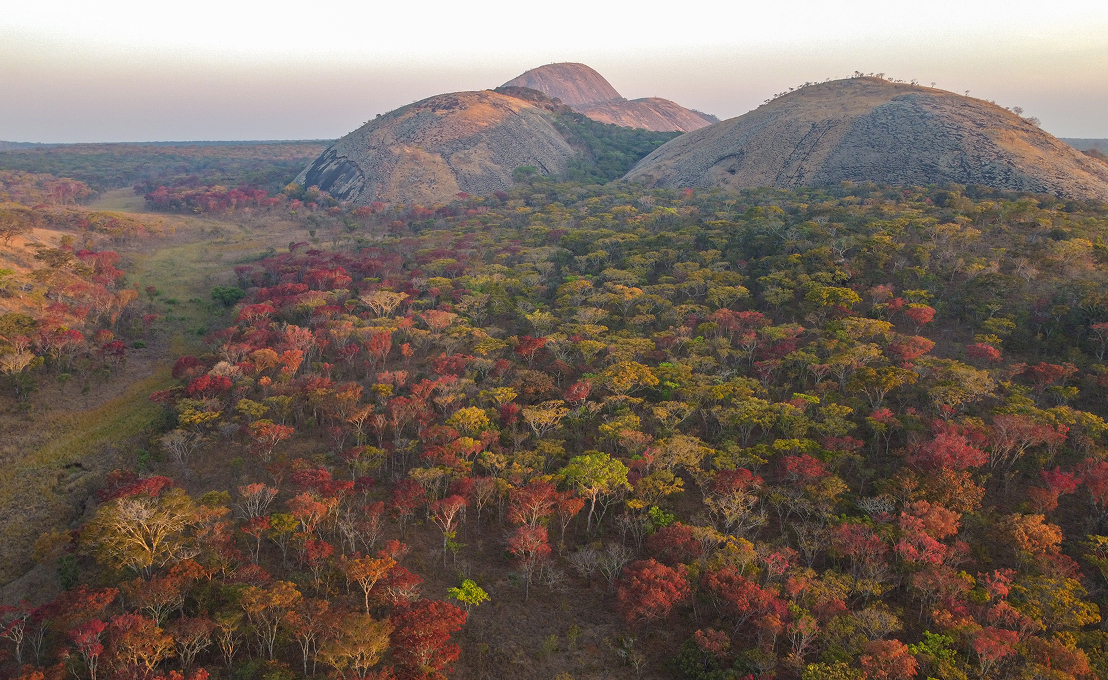
One of Brambles’ timber farms in South Africa. © Matthieu Rivart
1
Ecosystem services are defined as the benefits to humans from nature, or direct and indirect contributions of ecosystems to human wellbeing. https://www.agriculture.gov.au/agriculture-land/farm-food-drought/natural-resources/ecosystem-services
Nature Positive
Brambles’ Nature Positive focus area aspires to build a regenerative nature-positive business by restoring and conserving ecosystems, going beyond zero waste and aiming to draw down more carbon than Brambles produces. Through its circular business model, Brambles reduces its dependencies and impacts on nature, providing a strong foundation to expand its nature-related programmes.
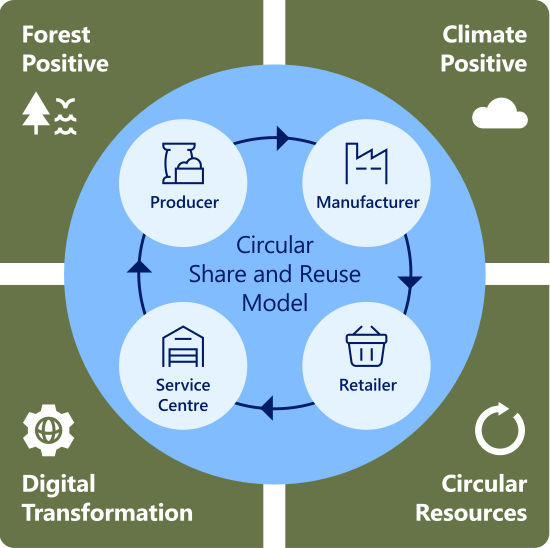

Forest Positive
Brambles aims to enable the restoration, conservation or sustainable management of two hectares for every one required for Brambles’ timber needs.
This aligns with evolving nature‑based metrics, which look at ecosystems holistically as providers of value to the natural environment, people, communities and businesses.

Climate Positive
Brambles has set science‑based targets and is responding to climate change impacts through adaptation and mitigation measures.
The decarbonisation programme is transitioning the circular business model to reduce fossil fuel use and GHG emissions. Climate adaptation aims to understand the evolving risk while enhancing resilience to physical climate-related disruptions.

Digital Transformation
Brambles aims to reduce its dependency on natural capital and lower the resource intensity of its business. Growing digital capabilities and the digitisation of its platforms is enabling Brambles to improve asset productivity, enhance circular performance and reduce waste.
These solutions include the ability to model flows to support Brambles’ operations, the Effortless Service Offer and Digital Customer Solutions.

Circular Resources
Brambles aims to reach 80% net-positive solutions for its product waste, and for virgin plastic substitution in its products.
The target to implement solutions that divert product waste from landfill at all service centres has been further strengthened with an industry-leading hierarchy that prioritises those landfill -avoidance solutions that are closed-loop, regenerative, resource-positive or community-positive
Validating our 2030 target areas through the TNFD framework
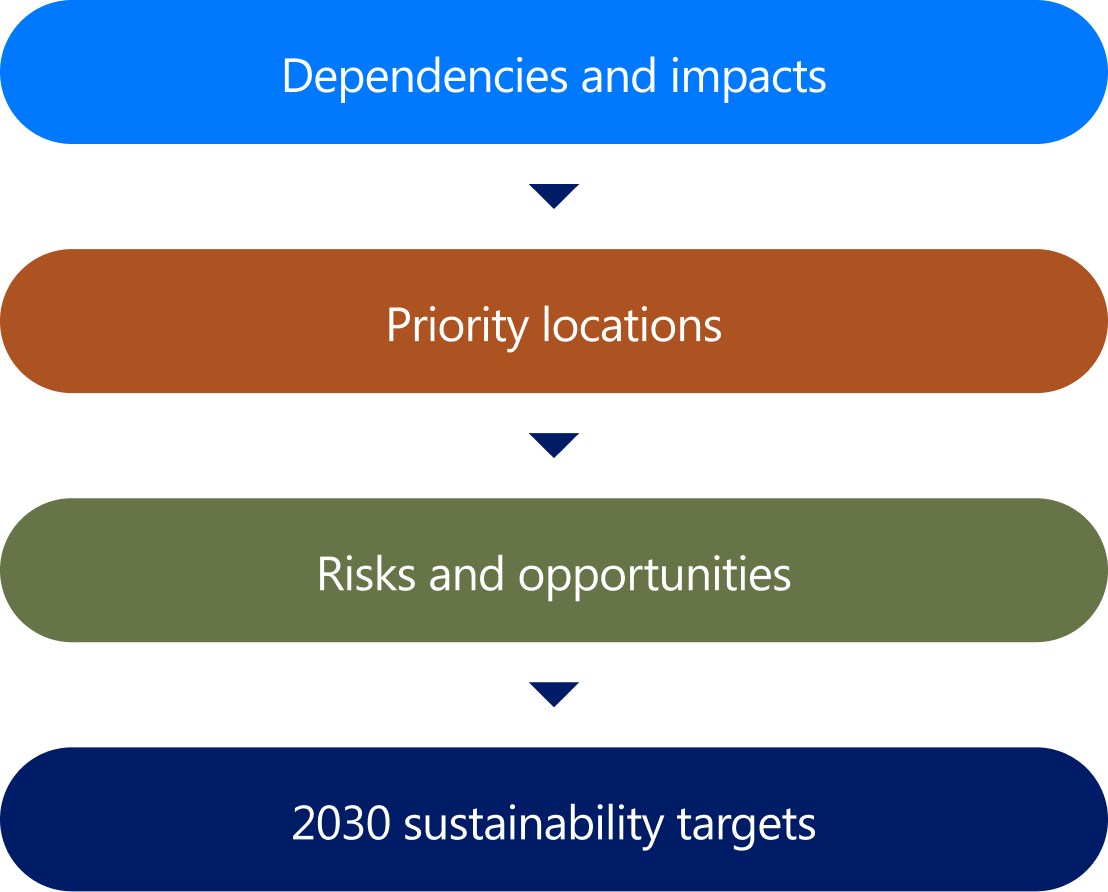
To support the commencement of disclosures against the TNFD recommendations, we have mapped Brambles’ nature-related impacts and dependencies, identified priority locations using the LEAP2 methodology and developed a register of nature-related risks and opportunities.
Our impacts and dependencies are strongly linked to the three target areas of Forest Positive, Climate Positive and Circular Resources, with our 2030 sustainability targets positioning us to mitigate the associated risks and leverage the opportunities, not only across the priority locations but more broadly across our operations and supply network.
In addition to these three target areas, our digital transformation programme further supports our approach to nature-related impacts and dependencies by enhancing the effectiveness of asset productivity initiatives.
2
The LEAP framework is an integrated assessment approach developed by the TNFD. It is designed to guide organisations in locating, evaluating, assessing and preparing to disclose nature-related dependencies, impacts, risks and opportunities (DIROs).
Nature Positive in action
Featured projects illustrating our efforts under our Nature Positive Programme